
Collection: Natural Process Coffee
Natural or "Dry" process coffees allow the ripe fruit to dry completely aro... und the seed before husking or hulling. Historically done by hand, this process is now performed with calibrated machinery. While commonly found in Ethiopia, Yemen, Brazil, and Costa Rica, producers worldwide are exploring this method.
Fermentation occurs during the processing of Natural coffees, initiated when an access point is created in the fruit. Yeast and bacteria enter the fruit, metabolizing sugars and acids until the coffee reaches 11% moisture. Unlike Washed coffees, Natural coffees are not held in fermentation tanks but are influenced by temperature, sun exposure, drying bed depth, and rotation.
Show more >-
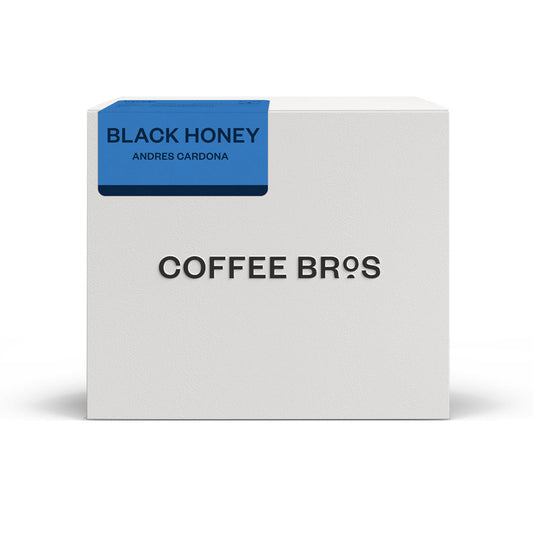
Colombia | Black Honey | Medium Roast | Co-Fermentation
A well-balanced honey coffee that works exceptionally well as an espresso
A well-balanced honey coffee that works excepti...
Regular price $16.95Regular priceUnit price per -
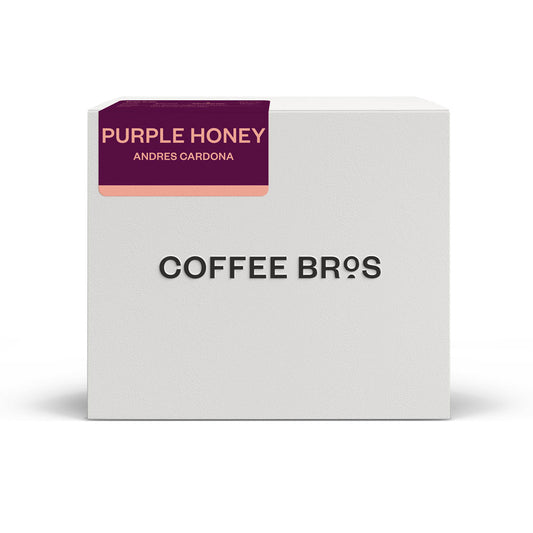
Colombia | Purple Honey | Medium Roast | Co-Fermentation
A well-balanced honey coffee that works exceptionally well as an espresso
A well-balanced honey coffee that works excepti...
Regular price $16.95Regular priceUnit price per -
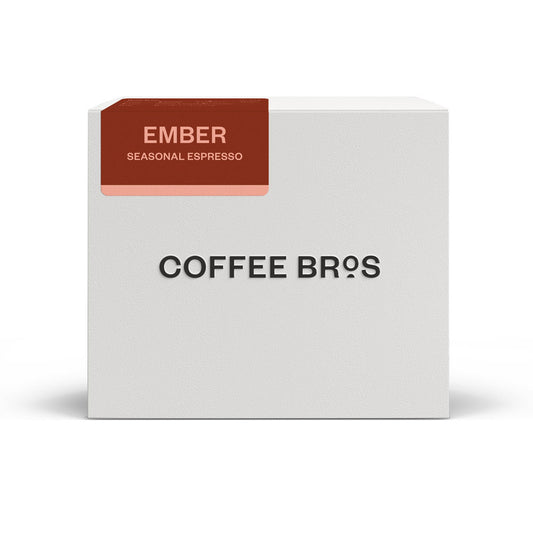
Ember | Seasonal Espresso | Medium Roast | Washed Anaerobic
A well-balanced honey coffee that works exceptionally well as an espresso
A well-balanced honey coffee that works excepti...
Regular price From $12.00Regular priceUnit price per -
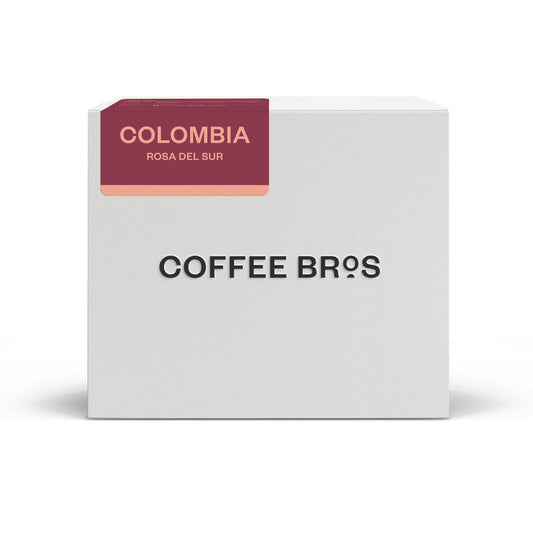
Rosa del Sur | Pink Bourbon | Medium Roast | Natural
A well-balanced honey coffee that works exceptionally well as an espresso
A well-balanced honey coffee that works excepti...
Regular price From $14.39Regular priceUnit price per -
New
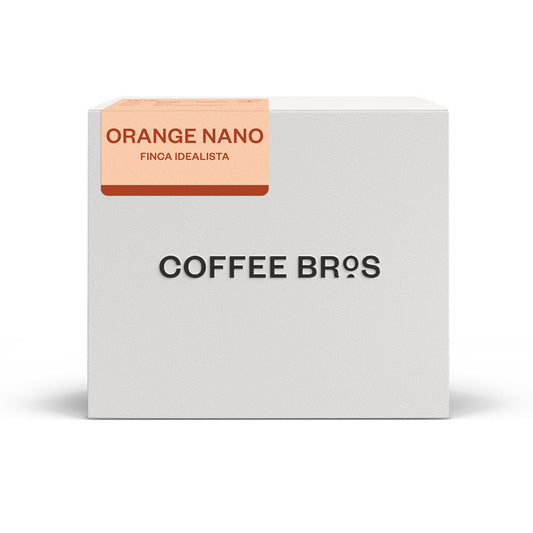
Orange Nano | 148hr Double Fermentation | Medium Roast
A well-balanced honey coffee that works exceptionally well as an espresso
A well-balanced honey coffee that works excepti...
Regular price From $20.95Regular priceUnit price per
What is Natural Process Coffee
Where did the natural coffee process originate?
While Natural process coffees are prevalent in Ethiopia, Yemen, Brazil, and Costa Rica, producers worldwide are increasingly exploring and experimenting with this methodology. It is believed that the Natural process originated in Ethiopia or Yemen.
What does natural process coffee taste like?
During the drying process, the coffee beans absorb the flavors from the fruit, resulting in a more pronounced and sweet taste. This can manifest as notes of strawberry or blueberry. Natural processed coffees are known for their distinct fermented and sometimes wine-like flavors. Regions with a culinary tradition of pickling and fermenting foods often prefer natural processing. Coffee shops in places like Taiwan and Korea frequently offer a variety of natural processed coffees. These coffees exhibit prominent fruity or "pulpy" flavors, often described as "boozy" or "winey," and may also feature strong nutty and/or chocolate characteristics. They typically have a fuller or syrupy body.
Does natural coffee involve fermentation?
During coffee processing, fermentation occurs once the fruit is picked or when an access point is created. Yeast and bacteria naturally or intentionally present enter the fruit and start metabolizing sugars and acids, continuing until the coffee reaches a moisture content of 11%. Although the coffee is not stored in fermentation tanks, the fermentation process can be influenced by factors like temperature, sunlight exposure, drying bed depth, and rotation during drying.
What is the first coffee processing method?
Natural processing is the oldest and most fundamental method of coffee preparation. In ancient times and some present-day cultures, coffee fruits were left to dry on the branch until they reached complete dryness, enabling selective harvesting. Nowadays, modern Natural coffees are harvested when fully ripe and deliberately dried on patios, raised beds, or drying tables. Unlike Washed coffees, they cannot be dried using mechanical dryers.
Collections
-

All Coffee
Experience the best specialty coffee with our selection of Signature Series, Single-origin,...
-

Single Origin
All of our single-origin coffees in this collection are 86+ point coffees...
-

Signature/Classic
Our Signature Blend coffees showcase unique flavor profiles that shine across any...


- Choosing a selection results in a full page refresh.